
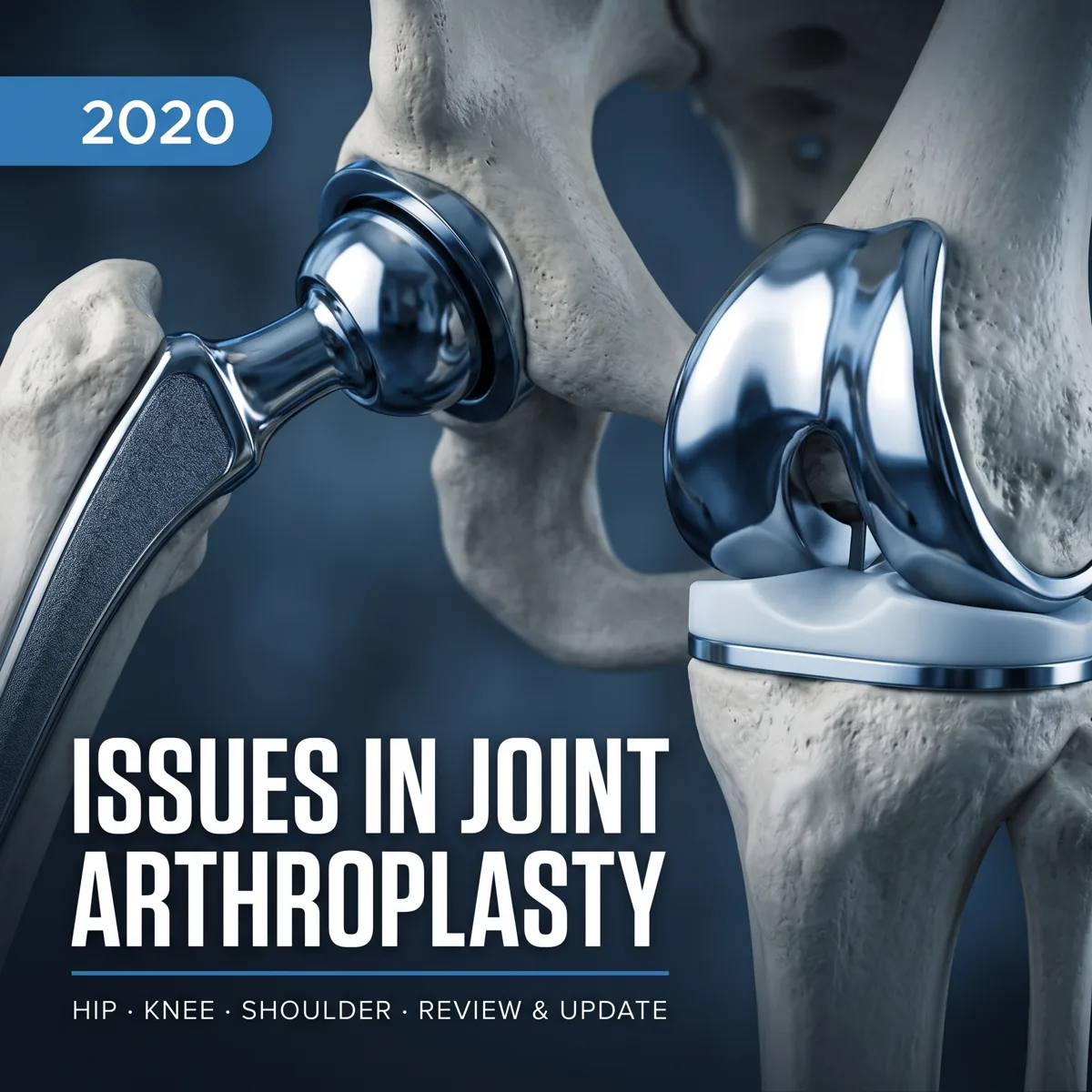
This program is intended to provide a practical review of key areas of clinical and surgical management of orthopaedic surgery patients – specifically, those with hip, knee, or shoulder osteoarthritis; a rotator cuff tear; or a fracture around the shoulder. All presentations are grounded in evidence from the literature and the considerable experience of the faculty. Topics covered in this program include:
Techniques and technologies for performing hip, knee, and shoulder arthroplasty
Prevention, diagnosis, and management of complications such as infection, instability, and periprosthetic fracture
What’s included
- Format: presentations
- 28 video lectures
- Self-study material; does not include CME or MOC credit.
What you’ll learn
- Describe perioperative issues and potential complications associated with hip, knee, and shoulder arthroplasty, as well as the options for preventing, diagnosing, and managing these complications.
- Identify opportunities for preoperative patient optimization, as well as options for managing clinical issues that can complicate recovery and increase length of stay, such as infection, pain, blood loss/transfusions, and deep vein thrombosis.
- Describe the techniques for correctly positioning the acetabular cup and performing key femoral releases with the direct anterior approach to total hip arthroplasty.
- Identify opportunities for using technology to support optimal outcomes of hip and knee arthroplasty, including strategies to correct surgical factors that contribute to failures.
- Describe clinical, radiographic, and laboratory evaluation of patients who present with a painful or failed hip or knee arthroplasty.
- Understand options for safely and effectively removing existing implant components while minimizing blood and bone loss and avoiding compromise of motor function, neurovascular injury, or infection.
- Understand the indications for anatomic and reverse total shoulder arthroplasty, as well as the key surgical techniques to improve the success of these procedures.
- Identify surgical and non-surgical options for managing patients with massive rotator cuff tears, less-severe rotator cuff tears, and shoulder fractures and understand the potential outcomes of these options.
- Describe the economic factors affecting the practice of orthopaedic surgery and the strategies that surgeons can adopt to maximize reimbursement without sacrificing patient care.
Course contents
- Enhanced Recovery, Part 2
- Infection In Total Joint Arthroplasty
- Medical Issues In Total Joint Replacement
- Preoperative Patient Management Enhanced Recovery, Part 1
- The Economics Of Total Joint Arthroplast, Part 2
- The Economics Of Total Joint Arthroplasty, Part 1
- The Hip Avoiding And Treating Complications Of DAA Thoal Hip Arthroplasty
- The Hip Complex Issues In Primary And Revision Total Hip Arthroplasty
- The Hip Complex Primary Hip Replacement
- The Hip Fundamentals Of Revision Total Hip Arthroplasty
- The Hip Issues In Primary Total Hip Arthroplasty
- The Hip Techniques In Revision Total Hip Arthroplasty
- The Hip Technology In Total Hip Arthroplasty
- The HipSolving Challenging Cases With DAA Total Hip Arthroplasty
- The HipThe Acetabulum In DAA Total Hip Arthroplasty
- The HipThe Femur In DAA Thoal Hip Arthroplasty
- The Knee Adverse Outcomes In Total Knee Arthroplasty
- The Knee Bone Loss In Revision Total Knee Arthroplasty
- The Knee Complex Primary Knee Replacement
- The Knee Complications Of Revision Total Knee Arthroplasty
- The Knee Fundamentals Of Revision Total Knee Arthroplasty
- The Knee Technology In Total Knee Arthroplasty
- The Knee The Great Total Knee Arthroplasty Debates
- The Shoulder Issues In Anatomic Shoulder Arthroplasty
- The Shoulder Issues In Reverse Shoulder Arthroplasty
- The Shoulder Managing Fractures Around The Shoulder
- The Shoulder Massive Rotator Cuff Tears
- The Shoulder Repairing Rotator Cuff Tears
Who should attend
- This activity has been designed to educate orthopaedic surgeons, fellows, residents, and other orthopaedic healthcare professionals who are engaged in the management of patients with hip, knee, and shoulder pathology.

Reviews
There are no reviews yet