
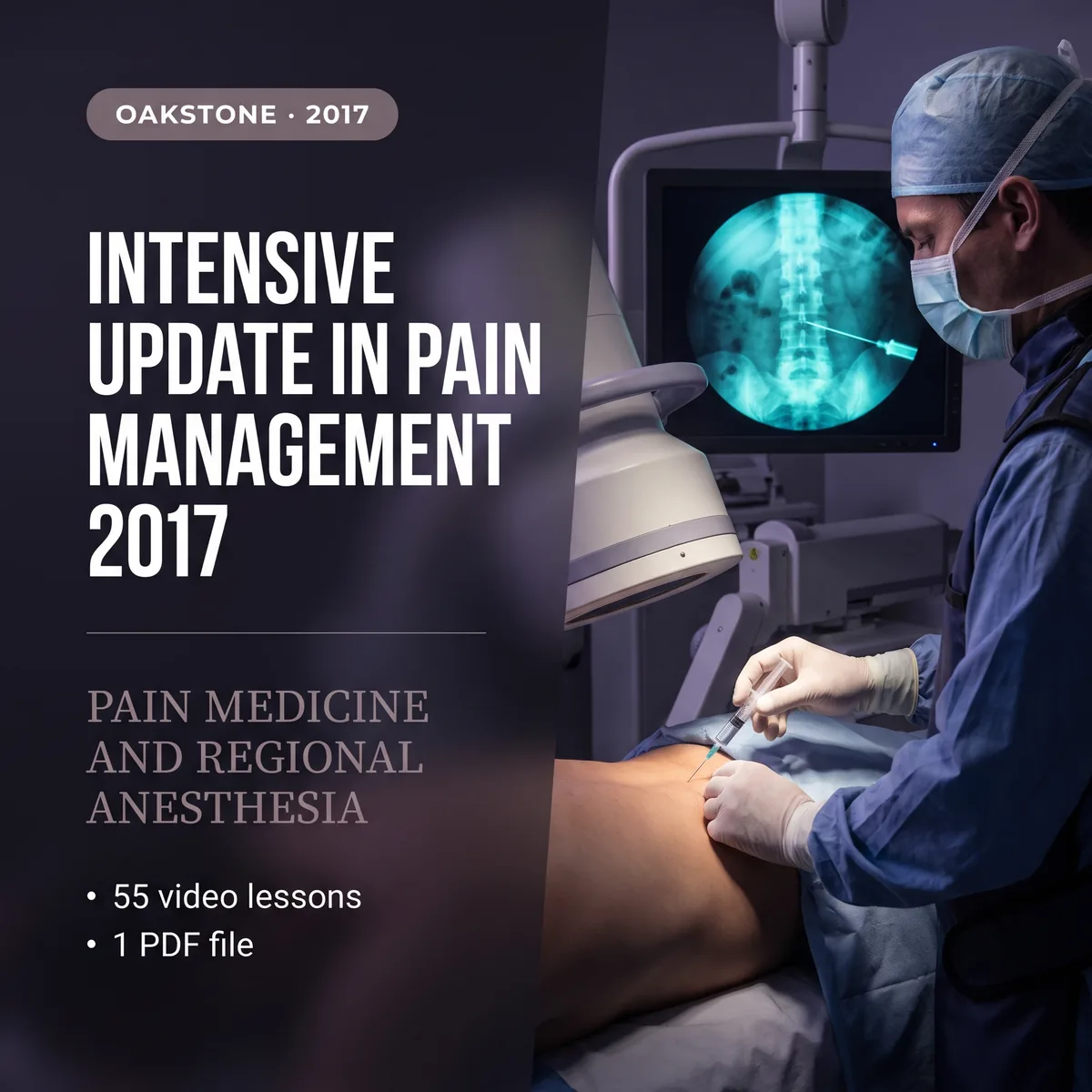
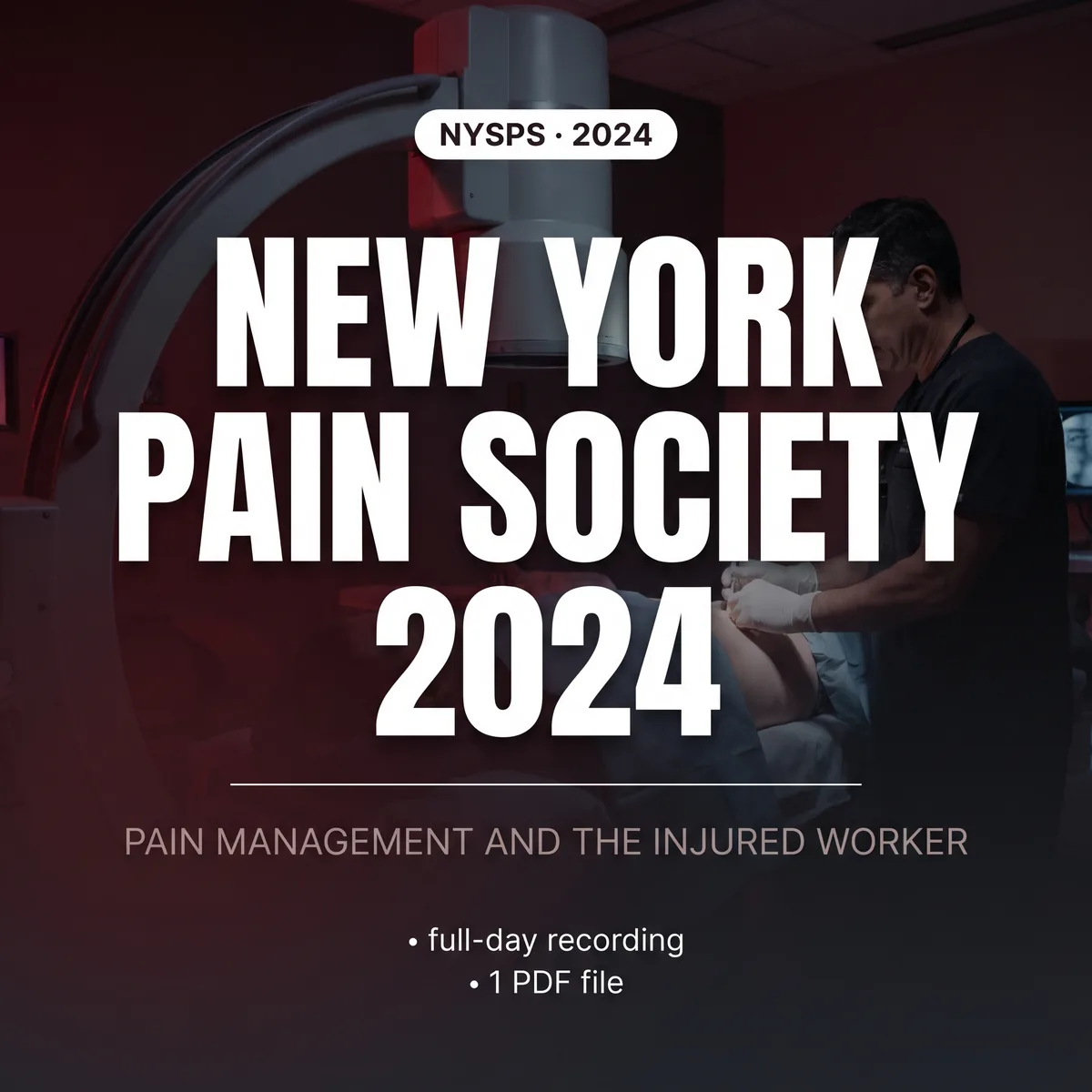
In-depth review of recent advances in pain medicine, regional anesthesia/analgesia, and the tremendous changes affecting the practice of pain management.
With in-depth reviews and analyses of recent advances in pain medicine and regional anesthesia/analgesia, this program also addresses the tremendous changes affecting the practice of pain management.
What’s included
- 55 video lectures · 1 PDF file
- On-demand streaming access to the recorded sessions
- Self-study material; does not include CME or MOC credit.
What you’ll learn
- Define the role of DRG stimulation within the spectrum of neuromodulation therapies
- Identify patient selection criteria for neuromodulation therapies
- Develop strategies to provide affordable pain care that addresses the economic impact of health care reform
- Recognize pain conditions and symptoms that would trigger patient referral for surgical treatment
- Summarize the role of rheumatologic conditions in chronic pain development and treatment
- List the technical skills needed to perform interventional pain procedures
- Use multidisciplinary and multimodal pain treatments to treat chronic pain conditions
- Apply CDC guidelines to chronic opioid treatment to improve safety and reduce adverse effects associated with their use
Course contents
- 01. Higher Centre and Pain: From Basic Science to Clinical Perspective
- 02. Mechanism of Action of Spinal Cord Stimulation
- 03. Mechanistic Approaches to Treating Chronic Pain
- 04. Neurophysiological Basis for Multimodal Therapy in Postoperative Pain
- 05. Anatomic Imaging for Pain Evaluation
- 06. Cannabinoids for Chronic Pain
- 08. Autoimmune Disorders and Pain
- 09. Fibromyalgia – Current Understanding
- 10. ANA, RF, ENA: Making Sense of Rheumatologic Alphabet Soup
- 11. Contemporary Guidelines For Managing Fibromyalgia
- 12. Comprehensive Evaluation of the Fibromyalgia Patient
- 13. High Density Stimulation
- 14. Peripheral Nerve Stimulation
- 15. Burst Stimulation
- 16. High Frequency Stimulation
- 18. Opioid Crisis in America – How Did We Get Here
- 19. Should Opioids Be Used for Chronic Pain – Pro
- 20. Should Opioids Be Used for Chronic Pain – Con
- 21. CDC and FDA Opioid Guidelines – Blessing or Curse
- 22. Drug – Drug Interactions in Pain Management
- 23. Managing the Difficult Patient Before They Manage You
- 24. Beyond Opioids for Cancer Pain
- 25. A Surgeon’s Appraisal of Spine Pain Complaints
- 26. Long Term Outcomes from Lumbar Spinal Fusion
- 27. Imaging the Cervical Spine
- 28. Surgical Approaches to Cervical Spine Disease
- 29. Psychological Evaluation of the Failed Back Surgery Patient Could This Have Been Predicted Prevented Preoperatively
- 31. Diet and Chronic Pain
- 32. Exercise as Medical Treatment
- 33. Hormonal Effects of Chronic Pain and Its Treatments
- 34. Complementary and Alternative Treatments
- 35. Smoking and Chronic Pain
- 36. Physician Heal Thyself – Addressing and Preventing Burnout
- 37. Sodium Nitrite for Peripheral Neuropathy
- 38. Intradural Spinal Cord Stimulation
- 39. Future Trends in Determining the Mechanism of Action for SCS
- 40. 5HT Agonist for Neuropathic Pain
- 41. PILD for Lumbar Spinal Stenosis
- 43. Transitioning From Fee for Service to Bundled Payments and Population Health
- 44. Measuring Pain Outcomes – Time for a Change
- 45. Is Targeted Drug Delivery Economically Viable in 2017
- 46. Midas Encore RCT
- 47. Cost Effectiveness of Neuro Stimulation
- 48. Team-based Healthcare Delivery
- 50. Current Opioid Guidelines and Maintenance of the Chronic Pain Patient
- 51. Managing the Flood of Patient Messages
- 52. Polypharmacy, Pain, and Drug Interactions Strategies to Balance Risk and Benefits
- 53. Improving Documentation to Reduce Denials and Preauthorizations
- 54. Spine Pain – Neurological Evaluation and Differential Diagnosis
- 55. How to Manage the Aggressive Patient
Who should attend
- anesthesia providers
- orthopaedic and spine surgeons
- neurologists
- neurosurgeons
- headache specialists
- palliative care specialists
- primary care physicians
- physical therapists
- physician assistants
- residents and fellows in training
Reviews
There are no reviews yet